Professional Water Line Construction for Secure Supply
Professional water line setup serves an critical role in guaranteeing a safe and dependable water supply. Many overlook the complexities involved, which can result in expensive mistakes. Recognizing the importance of expert participation can prevent substantial upcoming issues. As codes and site conditions differ, the requirement for knowledgeable technicians grows evident. What happens when these factors are ignored, and how can one find the right service for their needs?
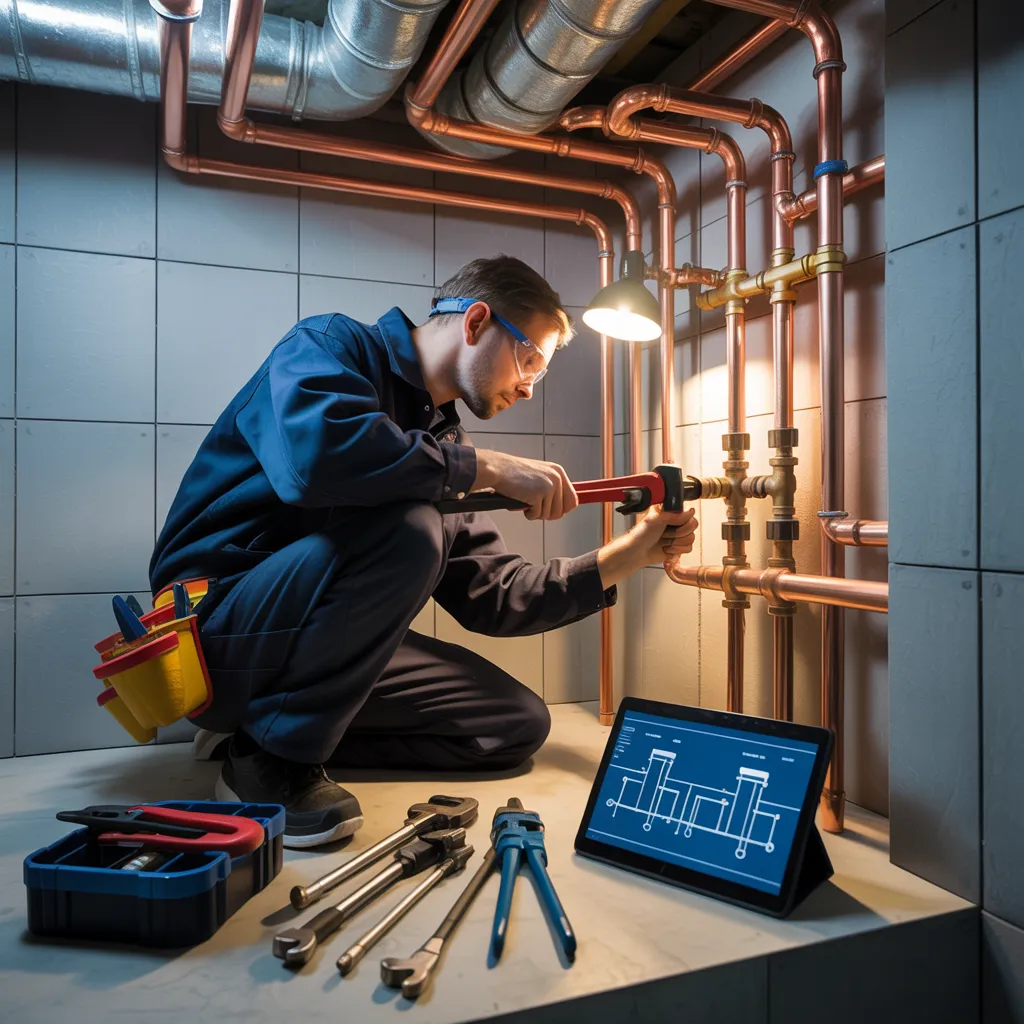
What Perils Come With DIY Water Line Placement?
Attempting DIY water line setup can lead to major hazards that homeowners often overlook. Many individuals underestimate the complexity involved in such undertakings, which can result in improper connections and water seepage. These drips can cause substantial water deterioration, leading to expensive fixes and potential mold growth. Additionally, without proper knowledge of local plumbing codes, homeowners may inadvertently violate regulations, resulting in penalties or issues during future real estate dealings.
Additionally, faulty installation can influence water quality and pressure, leading to health risks if impurities get into the supply line. Equipment and materials needed for the job may also be strange, boosting the likelihood of accidents or injuries. At last, the effort demanded for a successful setup can be substantial, drawing attention from other essential duties. At the end of the day, the hazards tied to DIY water line installation demonstrate the necessity for skilled know-how to guarantee safety and reliability.
Why Professional Water Line Setup Matters
While some dwellers may consider handling water line implementation themselves, the expertise of authorities is vital for securing a excellent outcome. Professional workers maintain extensive knowledge of local codes and standards, which is essential for compliance and security. They are skilled to spot potential issues such as soil conditions and existing infrastructure that could complicate the installation process.
Moreover, experienced professionals have use of specialized tools and materials that are often vital for a trouble-free installation. Their experience allows for quicker and more efficient work, minimizing the risk of water damage or costly repairs in the future.
Furthermore, hiring a specialist confirms that the installation is executed with precision, lessening the risk of leaks or other problems. Ultimately, delegating this task to skilled experts strengthens the dependability of the water supply, providing peace of mind to homeowners regarding the quality and safety of their water system.
Key Steps for Professional Water Line Installation
Installing a water line requires a series of vital procedures that ensure a safe and efficient process. First, a comprehensive location evaluation is conducted to identify the ideal route for the water line, steering clear of obstacles such as trees and current infrastructure. Next, the necessary materials, including pipes, fittings, and connectors, are chosen according to the specific requirements of the installation.
Once the arrangement phase is finished, excavation starts, precisely digging a trench to the correct depth while complying with safety protocols. After laying the pipes, they must be securely connected and tested for leaks. Finally, the trench is backfilled, ensuring proper compaction and restoration of the surface.
Throughout these stages, preserving clear dialogue with all relevant parties is necessary, ensuring that the deployment meets both operational and safety standards. Following these significant steps contributes to a reliable water supply system.
Local Codes and Regulations You Should Learn
Before starting a water line setup, it is essential to comprehend the local codes and regulations that govern such undertakings. These standards vary greatly by area and encompass various elements of installation, including material requirements, excavation depth, and pipe spacing. Adherence with these regulations ensures not only the reliability and safety of the water system but also adherence to legal standards, which can prevent expensive penalties and scheduling delays.
Local construction authorities often require permits before installation begins, necessitating submission of comprehensive blueprints for review. Additionally, inspections may be required at various stages of the undertaking to verify adherence with safety regulations. Property owners and builders must also be knowledgeable about any particular regulations related to environmental concerns or heritage protection in their region. By carefully comprehending and following local regulations, people can facilitate an smoother installation process and support long-term water system integrity.
How to Tell If Your Water Line Should Be Replaced
Determining whether a water line requires replacement is critical for preserving a properly functioning plumbing system. Key indicators include noticeable evidence of pipe deterioration, frequent issues with water quality, and unexplained drops in water pressure. Recognizing these warning signs can help homeowners act promptly to prevent further complications.
Noticeable Pipe Corrosion Markers
Visible indications of pipe deterioration can often point to a pending issue within a home's water line system. Homeowners must be attentive to color changes, which may manifest as rust or green tones on exposed pipes. These discolorations point out that the metal is degrading, undermining the integrity of the plumbing. In addition, pitting or chipping on the pipe exterior can be an obvious sign of rust, leading to possible leaks. Stains on walls or ceilings near plumbing fixtures may likewise signal water damage produced by corroded pipes. If such signs are evident, it is essential to reach out to a check article professional for evaluation and potential replacement of the affected water lines to assure a secure and reliable water supply.
Regular Water Quality Challenges
When householders encounter frequent water quality problems, it might show a need for water line replacement. Common problems include discoloration, strange odors, or unpleasant tastes in the water. Such signs often come from deteriorating pipes that introduce contaminants into the water supply. Rust, mineral buildup, or biofilm can jeopardize the water’s safety and aesthetic quality. Also, increased sediment can create opacity, further indicating possible pipe issues. Homeowners should be mindful of unusual fluctuations in water clarity or taste, as these can point to underlying plumbing infrastructure problems. Regular water quality testing and prompt response to changes can assist in identifying when a water line replacement is required to guarantee a reliable and pure water supply.
Strange Water Pressure Decreases
Unexplained decreases in water pressure can point to underlying concerns within a home's plumbing system, particularly the water line. Such variations may point to cracks, corrosion, or blockages that compromise the stability of the water supply. Homeowners should be aware of signs such as lowered flow from faucets or appliances, which can indicate potential problems. Additionally, sediment buildup in pipes can impede water movement, leading to pressure drops. If these symptoms remain, it is recommended to consult a professional plumber. They can conduct a thorough inspection to find out whether the water line requires replacement. Early intervention is essential; ignoring these issues may lead to more severe damage and costly repairs in the future.
Steps to Locate the Premier Water Line Installation Service After Recognizing Issues
Selecting an suitable water main installation company demands deliberate assessment after recognizing problems. It is vital to examine regional companies to understand their services and credibility. Moreover, checking credentials and background can confirm that the selected company adheres to industry benchmarks.
Examine Area Suppliers
How can one ensure they choose the top water line installation service after spotting issues? The first step is to research local companies, focusing on those with a solid reputation. Online feedback and testimonials can provide information into the quality of service offered by each company. Additionally, asking for recommendations from friends or family who have had comparable work done can be invaluable. It is also helpful to check local business directories and industry associations for listings of qualified professionals. Evaluating several companies allows for better assessment of pricing, services offered, and customer support. A thorough understanding of local options will assure informed decision-making, ultimately resulting in a reliable and efficient water line installation service.
Verify Qualifications And Background
Experience and credentials are important considerations when picking a water line installation company. Homeowners should first establish that the service provider holds the required licenses and certifications required by local regulations. This ensures adherence with safety standards and legal requirements. Additionally, assessing the company's background in the field can provide insights into their dependability and expertise. Prospective clients should inquire about past projects and seek references to evaluate customer satisfaction. Online reviews and testimonials can also supply valuable information regarding service quality. A reputable provider will gladly share their qualifications and demonstrate a track record of successful installations. By focusing on these elements, homeowners can make informed decisions and guarantee a safe and efficient water line installation.
Often Posed Questions
How Long Does it Usually Take to Complete Professional Water Line Installation?
Professional water line setup typically takes one to three days, depending on factors such as the project's complexity, location, and weather conditions. Efficient planning and skilled work can greatly expedite the entire process.
What Components Are Commonly Selected for Water Line Implementations?
Typical supplies employed in water line installations include PVC, copper, PEX, and galvanized steel. Each material presents distinct benefits concerning longevity, adaptability, and cost, making them well-suited for various plumbing applications and environmental conditions.
What Warranty Protection is Available for Professional Installation Services?
Yes, many skilled installation companies offer warranties. These warranties typically protect labor and materials, securing protection against defects or issues stemming from the installation for a specified period, giving peace of mind to homeowners.
What ought to I do if My Water Line Breaks?
If a water line ruptures, swiftly turn off the main water supply to prevent flooding. Next, reach out to a skilled plumber for repair work and inspect any damage to the property to commence essential cleanup and restoration.
Can I replace My Water Line During Installation?
Yes, modifying a water line during assembly is often feasible. Homeowners should contact professionals to determine fitting products and measurements, confirming compatibility with existing systems while strengthening overall efficiency and performance.